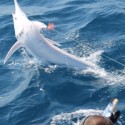
Every sportsfishing captain I know would love just to see a Albino Marlin and to catch the most prized game fish in the World ... well thats just something you can ONLY dream about. These pictures are truly once-in-a-lifetime images. Billfish "experts" agree that these rare albino blue marlin pictures may be the first ever captured on camera. Marlin are among the most prized … [Read more...]
2014 Los Sueños Signature Triple Crown Shatters Fishing Records
01/27/2014 by Leave a Comment
Two thousand, one hundred and seventy billfish released in three days! If this doesn't make all you avid saltwater anglers scurry to get on the next plane to Costa Rica, we don't know what will. Los Suenos Marina, reputedly the finest marina on the Pacific coast south of the US border (Cabo San Lucas in Mexico and Viña del Mar in Chile might beg to differ, but who cares), … [Read more...]
World Records Of Saltwater Fish Caught In Costa Rica
08/04/2013 by Leave a Comment
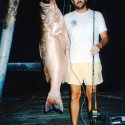
Costa Rica is known around the world for its big-game saltwater fishing done on the Pacific and Caribbean coasts, which is done from boats to catch large open-water species such as tuna, wahoo, dorardo and billfish (marlin, sailfish and swordfish). Recently, Sport Fishing Magazine sought input from seven angling experts, historians and authorities and did their top 100 world’s records … [Read more...]
Bobby McGuinness – IGFA World’s Top Captain in 2010
05/12/2011 by Leave a Comment
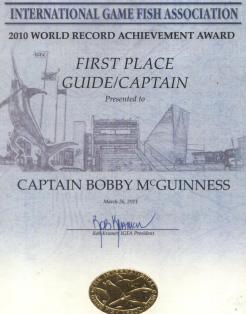
Captain Bobby McGuinness has done it again! For the second time in his illustrious 30 years as a sportfishing captain in Costa Rica, Bobby McGuinness was named the year's (2010) top captain in the world by the prestigious International Game Fish Association (IGFA). The IGFA also presented Bobby with its 2010 Lifetime Achievement award. See Bobby McGuinness Video This is the second time … [Read more...]
Panama, First Central American Country, Restricts Longlining
01/13/2011 by Leave a Comment
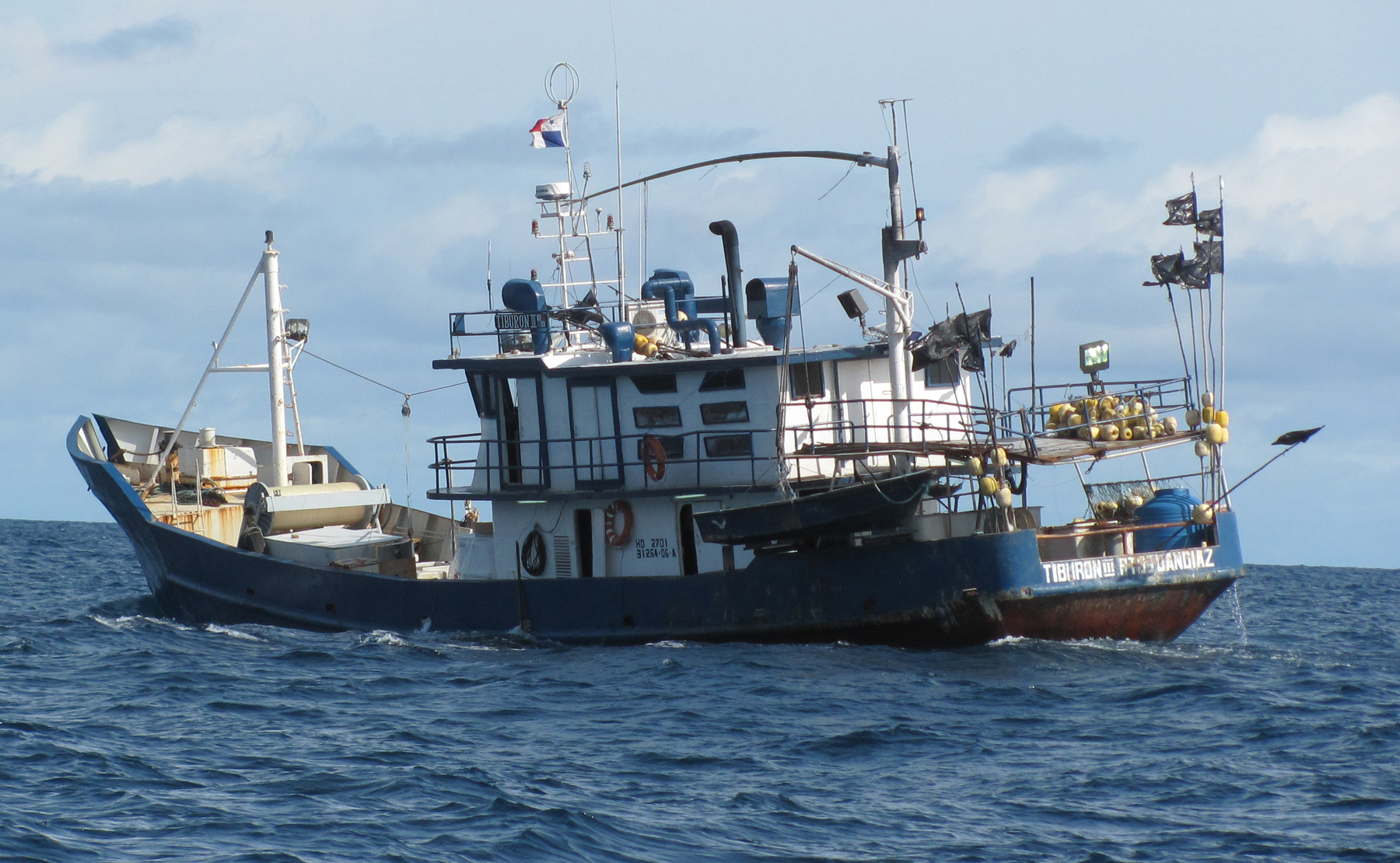
PANAMA CITY, Panama and FT. LAUDERDALE, Fla., USA – After banning commercial purse seining from its waters in July, the Republic of Panama has taken further steps adding restrictions on longlining for the conservation of its marine life and its socio-economic growth. In letters to Panamanian officials, Ellen Peel, President of The Billfish Foundation and Chris Fischer founder of … [Read more...]
Costa Rica’s 2010 Sportfishing Season Ends
12/24/2010 by Leave a Comment
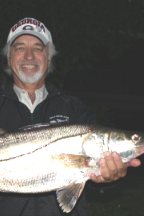
"The anglers were nestled all snug in their beds, while visions of roosterfish danced in their heads". Apologies to Clement Clarke Moore, who wrote 'Twas the Night before Christmas' almost 200 years ago, for this bit of poetic license. Of course, had he been a fisherman — and we can't rule that out — he would surely understand. There was more than roosterfish on the mind of Steve Hanna and … [Read more...]
North American Anglers Contribute $599 Million Annually to Costa Rican Economy
07/06/2010 by 1 Comment
FT. LAUDERDALE, Fla. -- Tourism is Costa Rica’s top industry and new research shows North Americans traveling there in 2008 to fish generated $599 million - or about two percent of Costa Rica’s gross domestic product. The study, conducted in 2009 by The Billfish Foundation, Southwick Associates and the University of Costa Rica, revealed 283,790 anglers visited Costa Rica and their economic … [Read more...]
Billfish Agreement is Signed with OSPESCA and TBA
03/10/2009 by 3 Comments
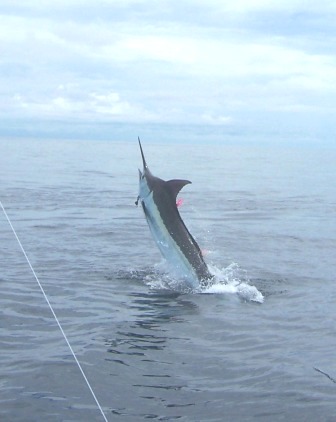
After nearly a year, Costa Rica and remaining countries of Central America have approved an agreement with The Billfish Foundation (TBF) to create a sustainable management plan for billfish and other popular game fish vital to growing sport fishing and tourism in the region. In Jan, 2009, the TBF successfully reached a ban on exporting billfish meat. The agreement between TBF and the … [Read more...]





Comments